
Medical CNC machining is an accuracy-focused manufacturing process used to create implants, surgical tools, and device components with remarkably good tolerances. Understanding the cost factors in medical CNC machining helps medical OEMs create informed sourcing and design decisions.
Pricing in this unit relies on customized materials, regulatory requirements, and demanding quality standards. When customers know each machining cost factor, they can improve purchasing strategies, decrease waste, and promote long-term profitability.
What is Medical CNC Machining?
Medical CNC machining is a manufacturing technique used in the manufacturing of precise parts for medical devices and surgical instruments. The process involves programmed computer control of cutting, milling, turning, or drilling raw material into finished components.
Compared to standard CNC machining, medical CNC machining is governed by stricter requirements about specifications, biocompatibility, and surface integrity. This allows for the manufacture of advanced materials with complex geometry, such as titanium, cobalt-chrome, and PEEK. The end products are reliable, contamination-free, and precision-made parts that can be safely implanted in the human body.
How are CNC Machining Prices Calculated?

CNC machining prices take into account material costs, time (both machine and setup), tooling, inspection needs, surface finishing, and packaging. For medical machining, these add regulatory compliance and documentation, along with traceability.
The hourly machine rate then rises with complexity in the number of axes, geometry of the part, and requirements for surface finishing. High-performance materials such as titanium and medical-grade plastics lead to greater tool wear, which in turn prolongs machining cycles.
A grasp of each cost factor in machining will assist buyers in better evaluating quotations. In choosing suppliers who strike a fair balance between price and quality, as well as compliance with medical manufacturing standards.
What are the Cost Factors in Medical CNC Machining?
Specialized Medical Alloys
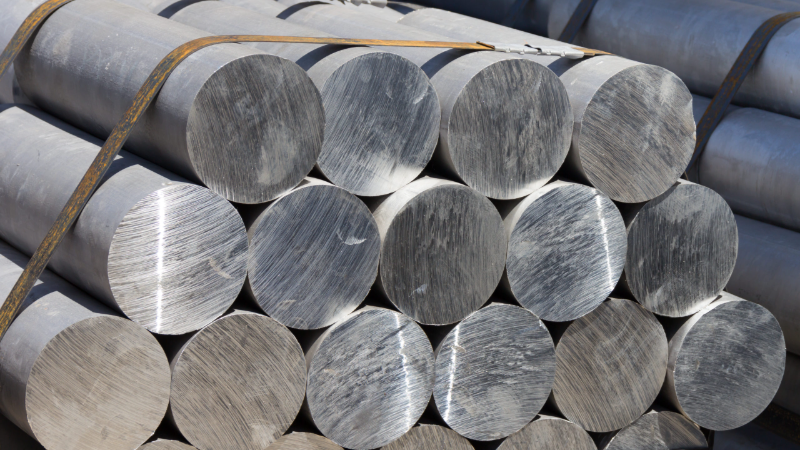
Advanced biocompatible alloys such as Titanium Ti-6Al-4V ELI, Cobalt-Chrome, and 316L stainless steel are usually used in medical CNC machining. Their corrosion resistance and bio-safety properties make them important for implants.
They are costly items to purchase and difficult to machine. It also gives rise to a greater rate of tool wear and appliance cycle time. Medical-grade plastics such as PEEK cost far more than the corresponding industrial polymers. Thus, taking their toll very well on material investment even before machining kicks off.
Material Certification and Traceability
Made from materials traceable to defined standards, medical components need full traceability endings. Suppliers must provide documentation supporting the source, grade, and lot number of each batch.
Sourcing materials that are certified takes more money than ordinary stock, so this is one. The costs are also higher when larger diameters or oversized raw blocks are involved. As the buyers pay for more material than the final component needs, this increases the total procurement costs.
Material Waste
For medical components, oversized raw materials are generally required for holding purposes during machining, even though this will result in a mass of excessive scrap produced during milling. Turning processes are tied to areas such as complex shapes, internal features, and orthopedic contours.
With lower yield comes greater cost per part because the buyer is indirectly paying for waste material, scrap, and turnings. An inefficient manner of utilizing materials causes the final machining cost to shoot up with very expensive alloys like titanium.
Tolerance and Surface Finish

Medical devices often need tolerances that far exceed typical machining tolerances. Change from ±0.005″ to ±0.0005″ would add a great deal of programming time, machining passes, and dimensional verification. This probably brings all of the above to an acceptable standard.
Advanced polishing and the ability to control cutting speeds are necessary for surgical-grade surface finishes. With every improvement in precision or surface quality, there are further costs incurred. It makes the selection of tolerance one of the most vital machining costs.
Geometry and Fixturing
Complex geometries that typically require several machining operations and dedicated tooling add costs to both labor and machine time. Medical implants tend to have organic curves that can only be processed by 5-axis machining and not by 3-axis machines.
Creation of tailored fixtures and special tools will incur non-recurring engineering costs, which will be passed on to part pricing. Hence, it becomes more expensive to manufacture geometrically complex components.
Cycle Time Optimization
Cycle time is the duration of the machine running that produces a part. Well-skilled CAD/CAM programmers minimize machining steps, tool paths, and changes in tools to, consequently, reduce cost per unit.
High-speed machines further minimize cycle time because they can perform cycles that older machines take far longer to perform. Another factor that contributes to this variance is a supplier’s technical expertise. It means that effective programming brings a competitive benefit in medical manufacturing.
Required Finishing Processes

In most cases, finished medical components yield corrosion resistance, improved appearance, and biocompatibility. Passivation controls the corrosion of stainless steel, while electropolishing improves the smoothness of an implant. Anodizing, which adds color-coded identification, may be necessary for some titanium parts.
Each of those finishing processes requires its own independent handling and documentation. On the other hand, processing time leads to increased cost per part. The best practice is to select the right finish for the application to avoid unnecessary expenditure.
Cleaning and Packaging
Medical components must be free from pollution before sterilization. By cleanroom environments requiring human contact controls, gloves, and anti-static packaging, components destined for such environments are packaged.
ISO Class 7/8 cleanroom handling will add to their cost in labor and in environmental overhead. They put in place packaging measures that prevent damage during transit. It ensures that they follow all regulations at each stage.
Inspection and Validation
CMM inspection checks critical dimensions, while documentation would attest to compliance. First Article Inspection (FAI) reports developed by manufacturers in favor of their customers further added engineering hours and verification cycles.
Validation testing demonstrates how the components meet functional, material, and regulatory requirements. In this way, one maintains safety among patients, even if they add heavily to the machining cost.
Economies of Scale

In CNC machining, setup costs are fixed, no matter how many products are manufactured. The larger the production batch, the lower the cost/part, since setup costs are divided by many units. Blanket purchase orders, long-term, keep prices stable while assuring the availability of materials.
Higher costs go to small batches, mostly per unit, particularly when it involves costs in materials, production means, and validation.
Inventory and Logistics
Machining costs can be highly affected by inventory management. JIT and Kanban systems help to reduce the warehouse space considerably. Also, the accuracy in forecasting is required. According to the quoted price, suppliers managing finished parts incur storage, handling, and insurance costs.
Risk and Liability
Medical components cannot afford to fail; hence, liability becomes a major factor in machining costs. Suppliers must ensure Quality Management Systems compliance with the appropriate ISO 13485 standard, where continuous audits, proper documentation, and corrective action control are mentioned.
The costs for providing zero-defect production are included in the pricing. It reflects the responsibility carried by manufacturers that comes along with supplying life-critical components.
How To Reduce CNC Machining Costs?

The process of cost-cutting part geometry is supplemented with material selection through a balance between performance and machinability. There are no overly tight tolerances in medical CNC machining. Engineers should decrease unnecessary features, refine finishing procedures, and avoid oversizing raw stock to improve material yield.
Outsourcing partnerships result in improved cycles and design for manufacturability decisions. Multi-year agreements create pricing stability and decreased administrative overhead. Comprehending each machining cost factor ensures that organizations continue to operate compliantly and yet cost-effectively.
CNC Machining Material Comparison Chart
| Material | Typical Per-Part Cost Range (Estimate) | Typical Lead Time |
| Titanium Ti-6Al-4V ELI | $20 – $50+ | 5 – 12 days |
| Stainless Steel 316L | $8 – $25 | 3 – 8 days |
| Stainless Steel 17-4 PH | $10 – $30 | 3 – 10 days |
| PEEK (Medical Grade) | $8 – $20 | 3 – 8 days |
| UHMWPE | $5 – $12 | 2 – 6 days |
| Aluminum 6061 | $2 – $10 | 2 – 5 days |
| Inconel 625 | $30 – $70+ | 7 – 15 days |
Average Hourly Rates
| Process | Hourly Rate |
| CNC Turning | $25–$45/hr |
| CNC Milling | $30–$55/hr |
| 5-Axis Machining | $60–$120/hr |
| High Precision Machining | $80–$150/hr |
| Micro Machining | $100–$200/hr |
Conclusion
The cost factors in medical CNC machining depend on part difficulty, material characteristics, compliance needed, and surface finish requirements. Knowing machining cost factors provides medical manufacturers with clarity. They demand to optimize purchasing decisions. When choosing a supplier, goals expertise, cycle-time productivity, and traceability.
Choose MedCNCParts, your most reliable source for CNC-machined medical-grade parts. We assure precision, dependability, and competitively priced parts. Request a quote today and reduce your difficulties in machining with the best in the field.


