
I use stainless steel and aluminum for many different medical parts. Before I use any of them, I always look at how they can contribute to the equipment’s effectiveness.
So, in this guide, let us discuss the full comparison of aluminum vs stainless steel for diagnostic equipment. I will explain the qualities and benefits of each metal. Plus, I will let you understand how CNC machining is used to create reliable medical diagnostic parts.
Importance of Material Selection in Diagnostic Equipment
Selecting the correct materials for diagnostic equipment influences how well the part performs and helps prevent future issues such as rust, contamination, or even equipment malfunction during tests.
Diagnostic equipment needs consistent accuracy, stable readings, and materials that won’t easily be affected by chemicals, bodily fluids, or cleaning agents.
What is Aluminum?
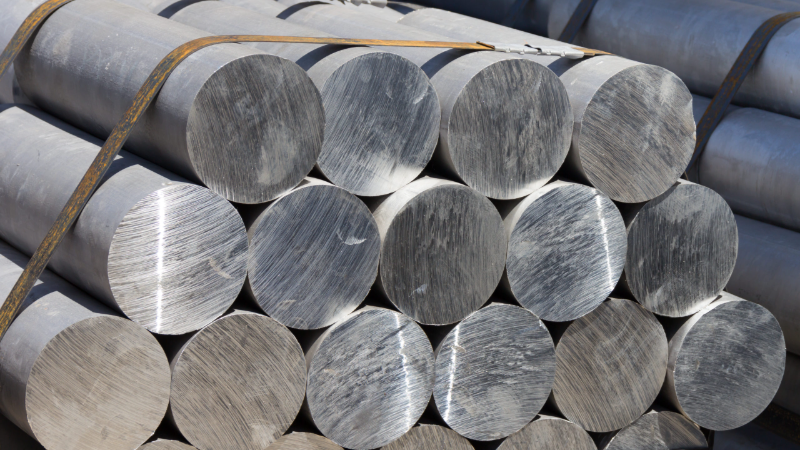
Aluminum is a pretty light material that has a shiny silver color. I personally like it because it is strong, flexible, and it has a thin oxide layer that protects the material so it will not get rusty or get worn out easily. It is also super easy to shape, weld, and work with. Plus, it is excellent at conducting heat and electricity.
Key Properties of Aluminum
- Very low density
- Dampens vibrations
- Non-magnetic
- Easily finished or anodized
- Easily machined using milling, turning, and other CNC processes.
- Resistant to many environmental conditions
- Conductive to heat and electricity
- High strength-to-weight ratio
Advantages of Aluminum
I like to use aluminum for parts that need to be easily handled and transported. Let me pinpoint some of the key benefits of aluminum based on my experience.
Lightweight Design
Its structure is the biggest advantage of aluminum. Many diagnostic parts must be carried and maneuvered easily. Aluminum reduces fatigue for technicians, making devices easier to transport.
Fast and Affordable CNC Machining

From my experience in machining, aluminum cuts quickly with less resistance than stainless steel. This means:
- Lower machining costs
- Faster production cycles
- Less tool wear
- Smoother surface finishes
This makes aluminum especially attractive for rapid prototyping or high-volume production.
Good Thermal and Electrical Conductivity
Diagnostic devices like imaging systems and lab analyzers often generate heat. Aluminum helps regulate temperature because it transfers heat and electricity efficiently.
Non-Magnetic
It does not interfere with MRI machines and other magnetically sensitive equipment.
Recyclable
Aluminum can be melted down and reused efficiently, supporting sustainable manufacturing and reducing material waste.
Applications of Aluminum in Diagnostic Equipment
- Portable medical diagnostic devices used in air ambulances or onboard aircraft
- Lightweight diagnostic sensors in patient transport vehicles
- Medical imaging units and monitoring panels
- Ultrasound device housings
- X-ray machine brackets
- Portable ECG and EEG device frames
- Sensor housings
- Heat sinks for imaging equipment
- Slim instrument handles
- Medical sample vials, sterile trays, and protective containers for instruments.
What is Stainless Steel?

Stainless steel is such a great metal because it’s like super durable and flexible. It is made by mixing iron and chromium to fight off rust and stay in shape. Its name comes from the fact that it “stays stainless” and by adding stuff like molybdenum and other elements, it can withstand even longer in harsher circumstances.
Key Properties of Stainless Steel
- Very strong and tough
- Non-reactive with biological samples and sensitive chemicals
- High heat resistance
- Smooth, hygienic surface inhibits bacterial growth
- Long-term structural stability
- Good wear and impact resistance
- Low maintenance
Advantages of Stainless Steel
I prefer to use stainless steel when I need the highest level of strength, stability, and cleanliness.
High Mechanical Performance
It can handle high loads, repeated use, and mechanical stress. It also maintains its form better over time, making it better for structural frames and long-lasting device parts.
Rust and Chemical Resistance
Compared to aluminum, stainless steel stands up better against moisture, harsh cleaning agents, disinfectants, and humid conditions without corroding.
Excellent for Sterilization

This is one of the main reasons why stainless steel is the most used metal in hospitals and laboratories.
- Withstands almost all common sterilization processes.
- Resistant to alcohol-based disinfectants.
- Performs well in chemical cleaning cycles.
Long-Term Durability
Once installed, stainless steel parts rarely need replacement. They resist dents, scratches, and wear much better than aluminum.
Applications of Stainless Steel in Diagnostic Equipment
- Structural frames for MRI and CT equipment
- Laboratory analyzers and fluid handling modules
- Sterilization trays and medical storage systems
- Diagnostic instrument handles and tools
- Precision connectors and mechanical linkages
- Chemical-resistant housing for testing machines
Differences Between Aluminum vs Stainless Steel for Diagnostic Equipment
Strength and Durability

- Aluminum: Good strength, but not as strong as stainless steel. Best for lightweight parts.
- Stainless Steel: Superior strength and highly resistant to impact, wear, and deformation.
Corrosion Resistance
- Aluminum: Naturally corrosion-resistant but can suffer in harsh chemical environments
- Stainless Steel: Outstanding anti-corrosion properties, especially in medical cleaning solutions.
Weight and Portability
- Aluminum: Much lighter; ideal for portable diagnostic devices
- Stainless Steel: Heavy but great for large or stationary equipment that needs to be stable and secure.
Sterilization Compatibility
- Aluminum: Can handle low-heat sterilization; anodized aluminum is better.
- Stainless Steel: Excellent for high-temperature autoclave sterilization.
Machinability and Formability
- Aluminum: Easier and faster to machine with CNC milling and turning.
- Stainless Steel: Harder to machine; increases tool wear and machining time. But, Austenitic stainless steel, are more adaptable.
Cost Efficiency

- Aluminum: More affordable material + lower machining cost.
- Stainless Steel: Higher material and machining cost, but longer lifespan.
How CNC Machining Helps in Producing Medical Diagnostic Parts
When I work with CNC machining for medical diagnostic equipment, I’m able to produce super-precise parts from aluminum, stainless steel, and other metals that are safe for the body. Each piece can be made with great consistency and exact measurements, even the ones with intricate geometries.
CNC machining is quick, consistent, and dependable, making sure these vital components meet performance and regulatory standards flawlessly.
Conclusion
The difference between aluminum and stainless steel really influences how I approach each design. They both help me create a functional medical device. Stainless steel is usually my first choice for medical settings due to its high strength and sterilization capability, but aluminum is still helpful and valuable for specific designs. The final choice will depend on your device’s needs.
At MedCNCParts, we turn smart material choices into ready-to-use diagnostic components using precise CNC machining. Contact us today to get a free quote.


